Focused arrival windows
Useful updates and clear arrival timing.
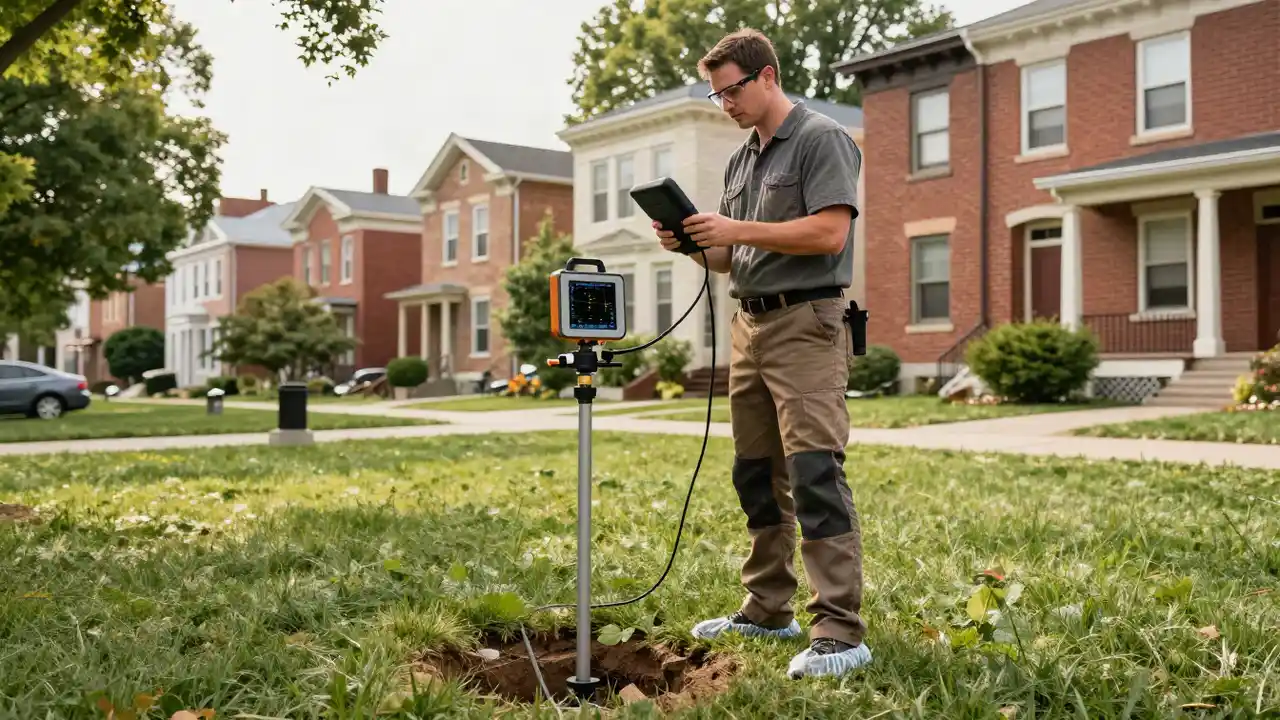
Underground Plumbing Leak Detection in Pittsburgh is how we find water escaping beneath your slab, lawn, or driveway without tearing your property apart. We use acoustic listening devices, thermal imaging cameras, and pressure testing kits to pinpoint the break, then complete underground pipe leak repair in Pittsburgh PA the same visit. If your water bill jumped or your yard stays soggy, call Leak Fix Pros at (412) 939-1638.
Useful updates and clear arrival timing.
Review the approach and price before deciding.
Equipped vehicles and respectful cleanup.
Neighbors serving neighbors with follow-through.
Every detection visit covers the full locate-and-confirm sequence. Repair is quoted separately once we know the depth and material, and we credit part of the detection fee when you hire us for the fix.
We isolate and pressurize the suspect line with a pressure testing kit and watch the gauge. A drop confirms an underground pipe leak before we open any ground, so you are not paying for exploratory excavation.
Acoustic listening devices, an ultrasonic leak detector, and a thermal imaging camera narrow the break to a small target. We mark the spot with paint and show you the readings on site.
A video pipe inspection camera runs the inside of the line to check for cracks, root intrusion, and collapsed sections. You see the footage before we quote the repair, so the scope is clear.
You get a written summary of the leak location, the pipe material, and the repair price. If the line is copper pipe, PEX tubing, or PVC pipe, the quote names the fittings and method we will use.
After we install new pipe fittings and backfill, we re-pressurize the line and hold it for 30 minutes. If it holds, the job is done and the workmanship warranty starts that day.
Share what is happening and receive a clear next step from the local team.
Underground Plumbing Leak Detection in Pittsburgh is the process of finding water loss in buried supply, drain, or irrigation lines using non-invasive tools before any digging starts. We pressurize the line, listen for the escape with acoustic listening devices, and confirm the exact spot with thermal imaging cameras and a video pipe inspection camera. Most residential lines sit 18 to 36 inches down, so guessing with a shovel wastes thousands in concrete and landscaping. We mark the break, show you the reading, and quote the repair on the spot.
Pittsburgh's older housing stock, clay soil, and freeze-thaw cycles push buried copper pipe and PVC pipe to fail earlier than in newer metros. A hidden water leak behind a foundation wall or under a North Shore driveway often runs for weeks before it surfaces. That is why homeowners search for underground plumbing leak detection near me Pittsburgh after a high water bill shows up. We handle water line leaks, slab leaks, and sewer line leaks across Allegheny County with same-day scheduling.
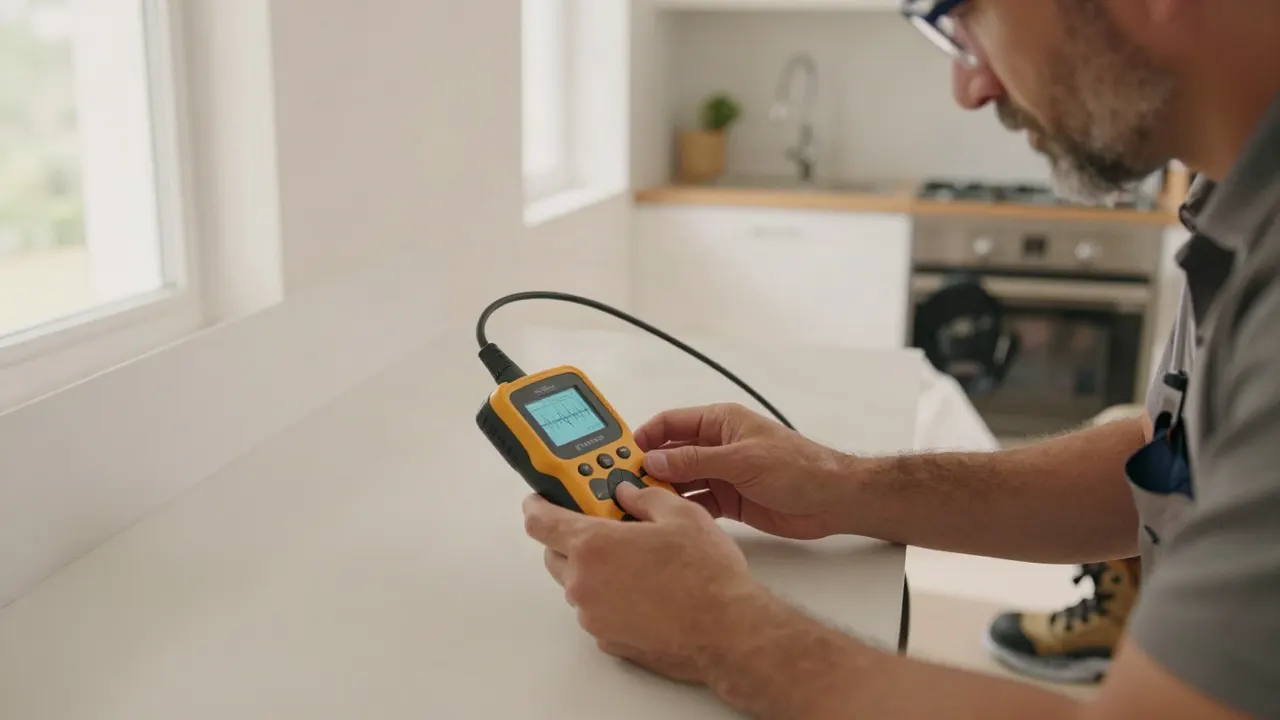
You describe the symptom: high bill, wet yard, running meter with fixtures off, or a warm spot on the floor. We ask when it started and whether the line is copper pipe, PEX tubing, or PVC pipe. That five-minute call tells us which tools to load and whether this is an emergency call-out.
On arrival we isolate the suspect line and pressurize it with a pressure testing kit. If the gauge drops, the line is leaking. This step takes 20 to 40 minutes and confirms the problem before we open anything, so you are not paying for exploratory digging.
We walk the line with acoustic listening devices and an ultrasonic leak detector, listening for the hiss or thump of escaping water. We mark each hit with paint or flags. On quiet residential streets we can narrow the break to a 12-inch window.
A thermal imaging camera or tracer gas detector confirms the acoustic hit, and a video pipe inspection camera checks the inside of the line for cracks, root intrusion, or collapsed pipe. We show you the footage and the marked spot before quoting the repair.
We excavate, cut out the failed section, and install new pipe fittings with fresh solder or epoxy sealant depending on the material. After backfill we re-pressurize the line and hold it for 30 minutes. You get a written warranty and a dry, tested line before we pack up.
We place the microphone on the ground over the line and listen for the hiss of escaping water. It is the fastest way to narrow a buried leak to a small target.
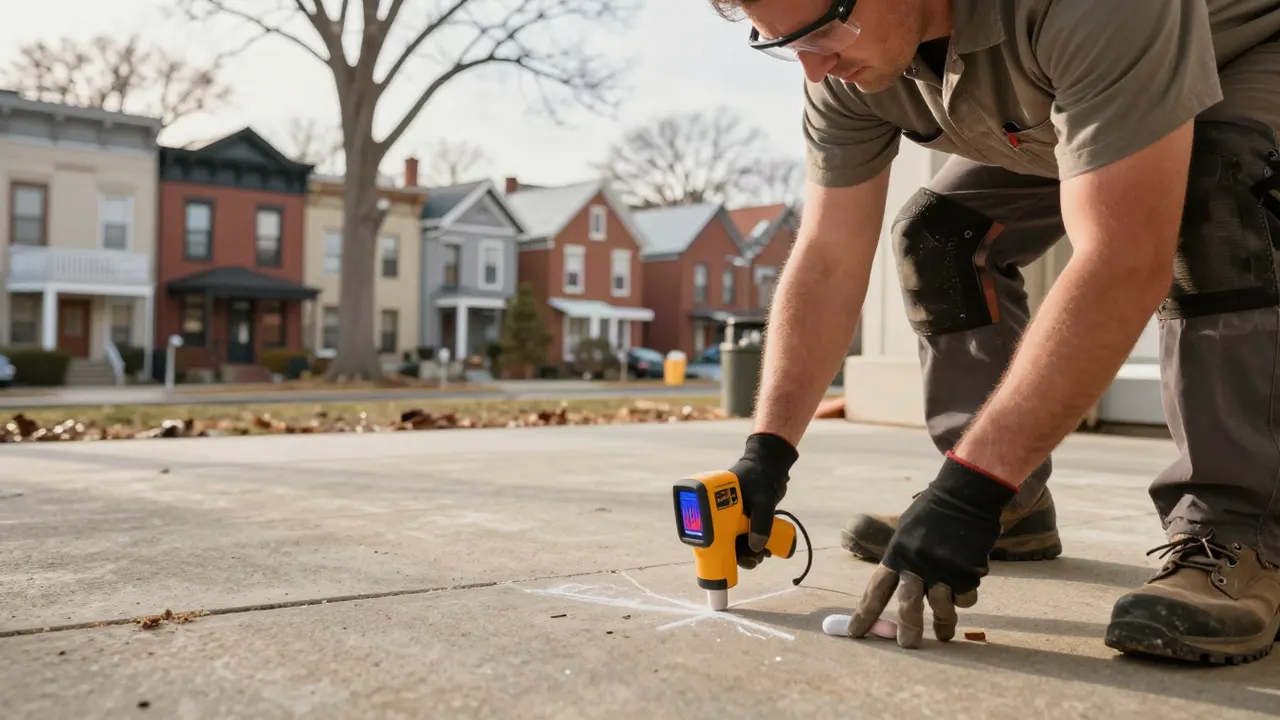
Fluke thermal imagers read temperature differences on slabs and walls. A warm stripe on a concrete floor usually means hot water is escaping underneath.
We isolate the line, pressurize it, and watch the gauge. A steady drop confirms an underground pipe leak before we open any ground.
Milwaukee and RIDGID cameras run the inside of the line to show cracks, root intrusion, and collapsed sections on a screen you can see.
Sewerin units push a safe tracer gas into the line and sniff for it at the surface. This confirms the leak path when acoustic signals are weak.
We trace the buried line's path and depth before digging, so the excavation stays small and we avoid hitting gas or electrical runs.
We close valves to separate the domestic main from irrigation and pool loops, then pressurize each section. This tells us which line is leaking before we bring out the acoustic gear.
Two sensors placed along the line pick up the leak sound, and the unit calculates the distance to the break. On quiet streets we can pinpoint the leak within 12 inches.
We scan the slab or yard with a thermal imaging camera and mark temperature anomalies. Hot-water leaks show as warm bands, cold-water leaks as cool ones.
Repairs follow PA Plumbing License and Allegheny County Plumbing Certification requirements. We use approved pipe fittings, solder, and epoxy sealant, and we retest the line before backfill.
We run a pre-purchase pressure test and acoustic scan on the main line. If the gauge holds and no acoustic hit registers, you have documentation the buried line is sound. If it fails, you have negotiating leverage. You know exactly what you are buying, and any repair cost is on the table before closing instead of after.
We isolate the irrigation loop from the domestic main, pressure-test each zone, and use a pipe locator to trace the buried PVC pipe. Most breaks are at a fitting or a freeze split from last winter. One zone repaired, the rest of the system untouched, and the lawn stops turning into a swamp.
We schedule same-day underground leak detection Pittsburgh service, confirm the slab leak with thermal imaging, and repair the line without displacing the tenant for more than a few hours. The bill normalizes, the tenant stays, and you get photos and an invoice for your records.
Our 24/7 crew shuts the main, locates the split with acoustic gear, and completes the repair once the ground is opened. We use pipe clamps and new fittings rated for freeze cycles. Water is off the driveway and the line is retested and backfilled, usually within the same day.
Pittsburgh sits on clay-heavy soil and freeze-thaw cycles that punish buried lines. Copper pipe installed in the 1940s and 1950s is now at the age where pinhole leaks and split fittings show up, and the city's hillsides push groundwater sideways, so a leak can surface 20 feet from the actual break. We see a spike in calls from November through March when overnight temperatures drop below 25 degrees and shallow supply lines freeze. In summer, irrigation and pool loops take over as the main culprits. Our crews carry RIDGID locators and Fluke thermal cameras because the terrain here varies block to block, from the flat North Shore to steep residential streets in 15217. If you need a Pittsburgh underground leak detection service that knows how to find an underground water leak in Pittsburgh PA without trenching the whole yard, we run the full locate-and-repair sequence in one visit. We also handle the documentation for Allegheny County Plumbing Certification and insurance claims.
Newer construction with PEX tubing and deeper mains. Leaks here often trace to irrigation loops and pool plumbing rather than the domestic supply.
Older commercial and residential buildings with copper pipe under concrete slabs. Thermal imaging is essential because the slab hides the leak path.
Post-war housing with original copper supply lines. We see pinhole leaks and fitting failures at higher rates on these blocks.
Hilly terrain pushes groundwater sideways, so a leak can surface far from the break. Acoustic correlation saves a lot of unnecessary digging here.
Water travels along the clay layer instead of straight up, so surface wet spots can be 15 to 20 feet off the actual break. We rely on acoustic correlation to close that gap.
Pinhole leaks and split fittings are common in pre-1960 homes. We stock copper pipe, pipe fittings, and solder to repair on the first visit.
Shallow supply lines split, and the leak stays hidden until a thaw. Our 24/7 underground leak detection Pittsburgh crews run through the cold months for exactly this reason.
A North Shore homeowner's water bill jumped from $90 to $210 a month with no change in usage. The yard by the driveway stayed wet, and two plumbers had already quoted full-yard trenching.
We pressure-tested the main, located the break with acoustic gear within 14 inches, and repaired the copper pipe in one afternoon. The next bill came in at $88, and the excavation was a single two-foot square.
Maintenance: We recommended a yearly meter check each spring. If the leak dial moves with fixtures off, call us before the bill climbs again.
A Downtown Pittsburgh building had a warm spot on the lobby floor and rising moisture readings. The property manager was told the entire slab needed to come out, a five-day closure.
Thermal imaging and a video pipe inspection camera narrowed the break to a two-foot square. We repaired the PVC pipe, patched the concrete, and the lobby reopened the next morning.
Maintenance: We suggested quarterly moisture meter checks near the repair and keeping the area dry. Early readings catch a new leak before it spreads.
A rental property in 15216 had water bubbling through the driveway at 2 a.m. in January. The tenant shut the main, but the line was still losing pressure and the foundation was at risk.
Our 24/7 crew arrived within two hours, located the freeze split with a pipe locator and acoustic gear, and completed the repair by 7 a.m. The line held pressure on retest, and the driveway was backfilled the same day.
Maintenance: We advised insulating the exposed section and keeping the main shut off during extended vacancies in deep winter.
Most buried-line calls start with one of these four symptoms. Each one gets worse the longer it runs.
A hidden water leak can waste 6,000 gallons a month and push you into a higher sewer tier. Left alone, it undermines soil under driveways and patios. We pressure-test the main, locate the break with acoustic gear, and complete underground pipe leak repair in Pittsburgh, Pennsylvania the same visit when the line is accessible.
Standing water kills grass, attracts mosquitoes, and signals a water line leak that is migrating toward your foundation. Freeze-thaw cycles then widen the crack. Our thermal imaging cameras and tracer gas detectors map the path, and a pipe locator marks the line so we dig one small hole instead of trenching the lawn.
That is often a slab leak, and it warps hardwood, lifts tile, and feeds mold inside the wall cavity. The longer it runs, the bigger the concrete cut. We confirm with moisture meters and acoustic listening devices, then repair the line with minimal concrete removal and retest before backfill.
A sewer line leak under the yard contaminates soil and can back raw waste into your lowest drain. It is a health issue, not just a plumbing one. We run a video pipe inspection camera to find the break or root intrusion, then repair or replace the failed section and retest the line.
$250 - $2,400 depending on detection and repair scope
Typical 2026 pricing in Pittsburgh runs $250 to $600 for detection and $400 to $1,800 for the repair, depending on depth, material, and access. Detection is the cheaper half, and it is what keeps you from paying for exploratory digging. We quote both numbers before we break ground, and we credit part of the detection fee toward the repair when you hire us for the fix. If you want affordable underground leak detection in Pittsburgh without surprise line items, ask for the flat-rate quote on the phone.
You pay for a pinpoint locate, a code-correct repair, and a 30-minute pressure retest. That is cheaper than replacing a driveway or footing after months of undetected water loss.
A line 18 inches down is a quick dig. One under four feet of fill or a concrete slab adds excavation time and cost. We measure depth with a pipe locator before quoting.
Copper pipe repairs need solder and a clean cut. PEX tubing and PVC pipe use different fittings and dry times. Material also affects how long the line holds pressure after repair.
Grass and soil are simple. Concrete, asphalt, or paver driveways add cutting, removal, and patching. We keep the opening as small as the locate allows.
After-hours and weekend calls carry a higher rate because we pull a crew off rotation. Scheduled weekday detection is the lowest-cost option.
Long runs to a detached garage or pool house take more time to trace and test. Tight access under decks or crawlspaces adds labor.
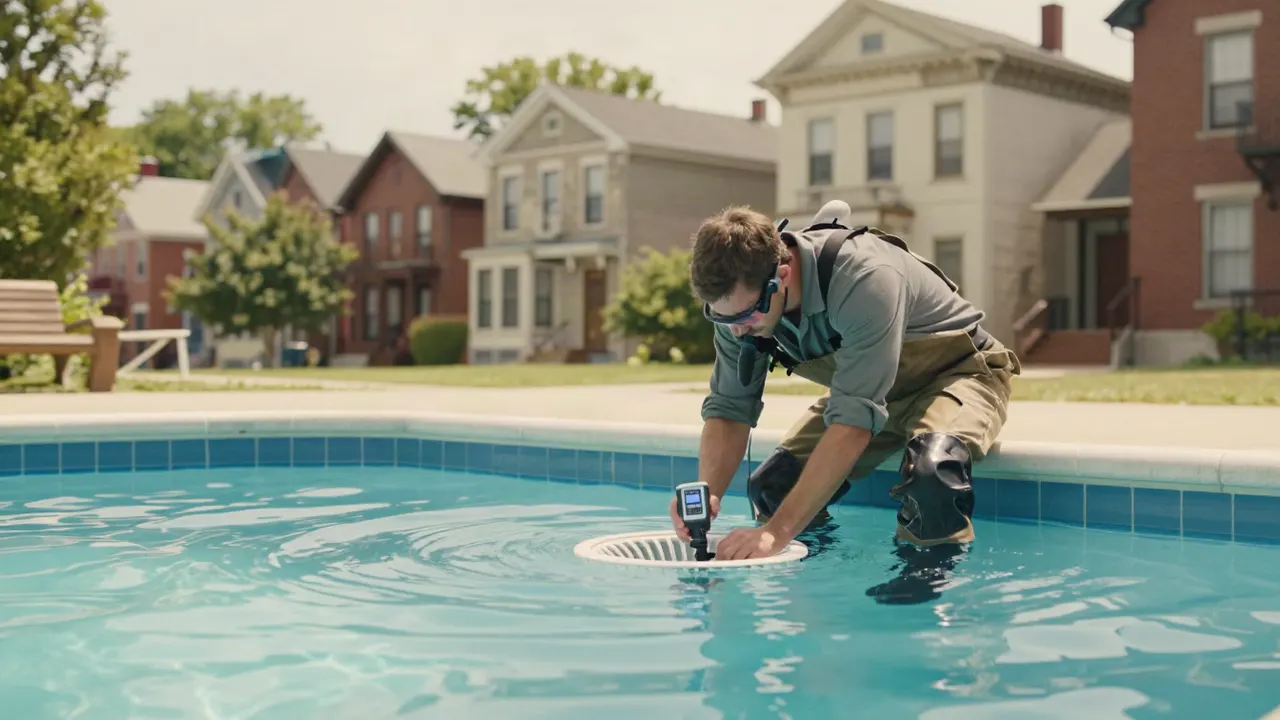
Leak Fix Pros is a state-licensed plumbing contractor working Allegheny County with the same tool kit the big utility crews use. Our technicians carry PA Plumbing License credentials and Allegheny County Plumbing Certification, and we hold IAPMO Certification and Backflow Prevention Certification. We train on RIDGID locators, Milwaukee inspection cameras, Fluke thermal imagers, and Sewerin acoustic gear, and we follow OSHA Safety Compliance on every excavation. We have located and repaired buried water line leaks, slab leaks, and sewer line leaks across Pittsburgh's older neighborhoods, from 100-year-old copper runs to modern PEX tubing.
Our water bill doubled and the yard by the driveway stayed wet for a week. Leak Fix Pros came out, pressure-tested the line, and found the break with acoustic gear in about an hour. They repaired the copper pipe the same afternoon and retested it. Bill dropped back to normal the next cycle.
We had a slab leak in a 1920s building and two other plumbers wanted to jackhammer the whole floor. Leak Fix Pros used thermal imaging and a video camera and opened one two-foot square. Fixed the PVC pipe, patched it, and we were back in business in a day.
Called them at 11 p.m. for a burst line under a rental. They had a crew out with a pipe locator within two hours and shut the leak down before it hit the foundation. Clean work, fair price, and they sent photos for the insurance file.
Most residential detection runs $250 to $600 in 2026, and the repair adds $400 to $1,800 depending on depth and material. Detection alone is cheaper than exploratory digging, and we credit part of the detection fee toward the repair when you hire us for the fix the same visit.
Start with your water meter: shut every fixture off and watch the leak dial for 15 minutes. If it moves, you have a hidden water leak. Then call us. We confirm with a pressure testing kit and acoustic listening devices, which is how to find an underground water leak in Pittsburgh PA without digging up the yard.
It is the excavation and replacement of the failed section of buried pipe, followed by a pressure retest. We cut out the cracked copper pipe or split PVC pipe, install new pipe fittings, and backfill. Most repairs take three to five hours and carry a written warranty on the workmanship.
Many Pennsylvania policies cover the resulting damage, such as ruined flooring or a collapsed driveway, but not the detection or the pipe repair itself. Some add-on riders cover buried utility lines. We provide itemized documentation and photos you can submit with your claim.
Not seeing your question? Our local team can help you understand urgency, scheduling and what to expect.
Ask the local team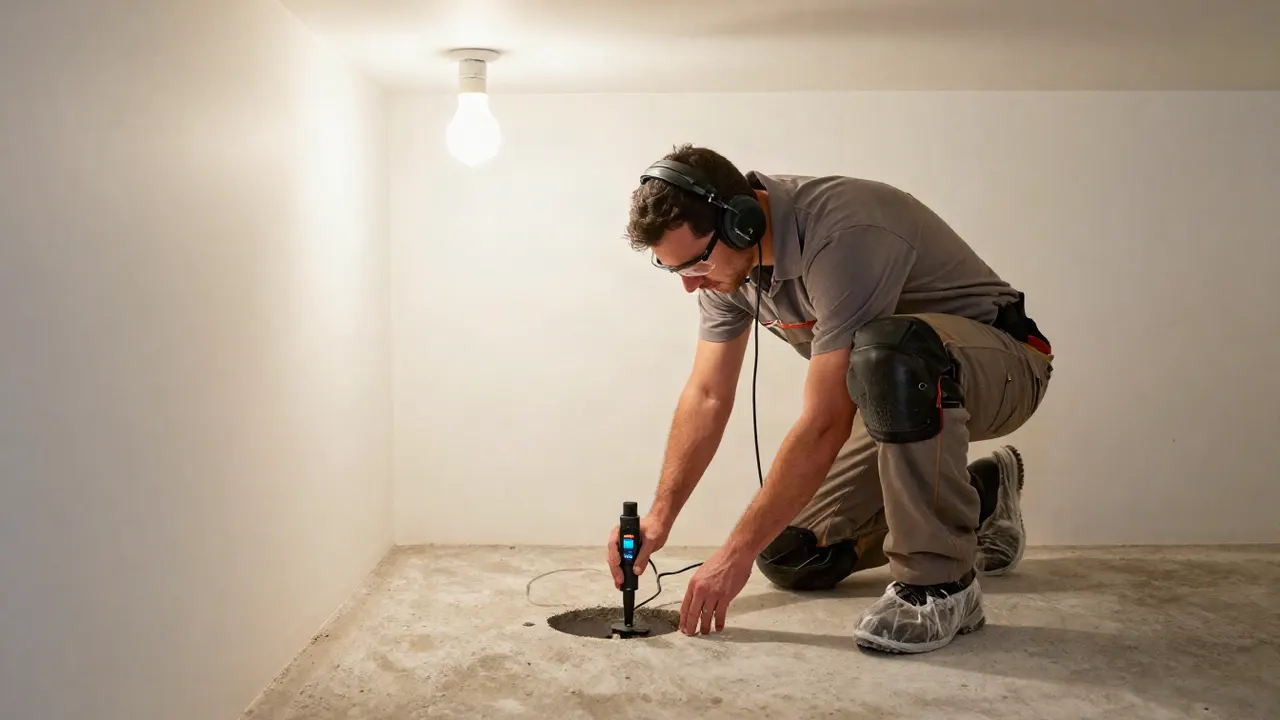
Water Leak Detection covers the interior side of the same problem: supply lines, fixtures, and wall cavities. We often run it alongside Underground Plumbing Leak Detection in Pittsburgh when a leak could be inside or outside the foundation.
View service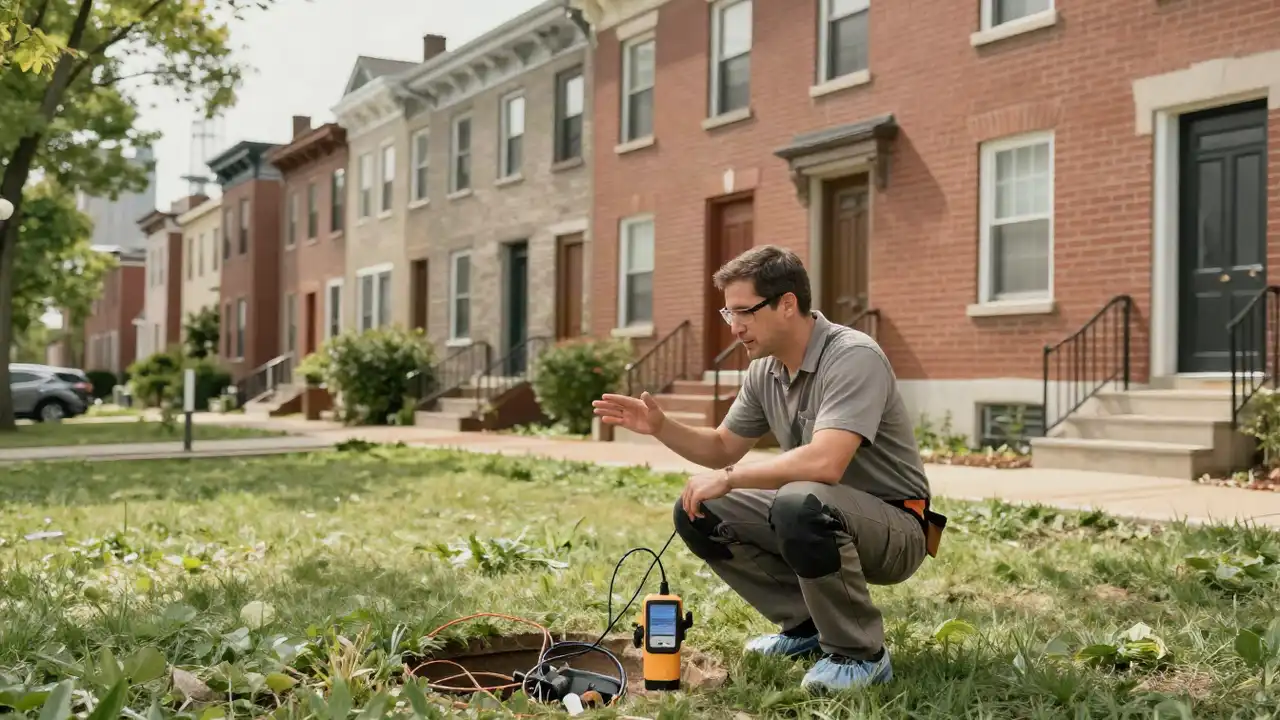
Pool Leak Detection uses the same pressure testing and dye methods on buried pool plumbing. If your pool loses an inch a day and the equipment pad is dry, the leak is likely underground, and we can trace it with acoustic gear.
View service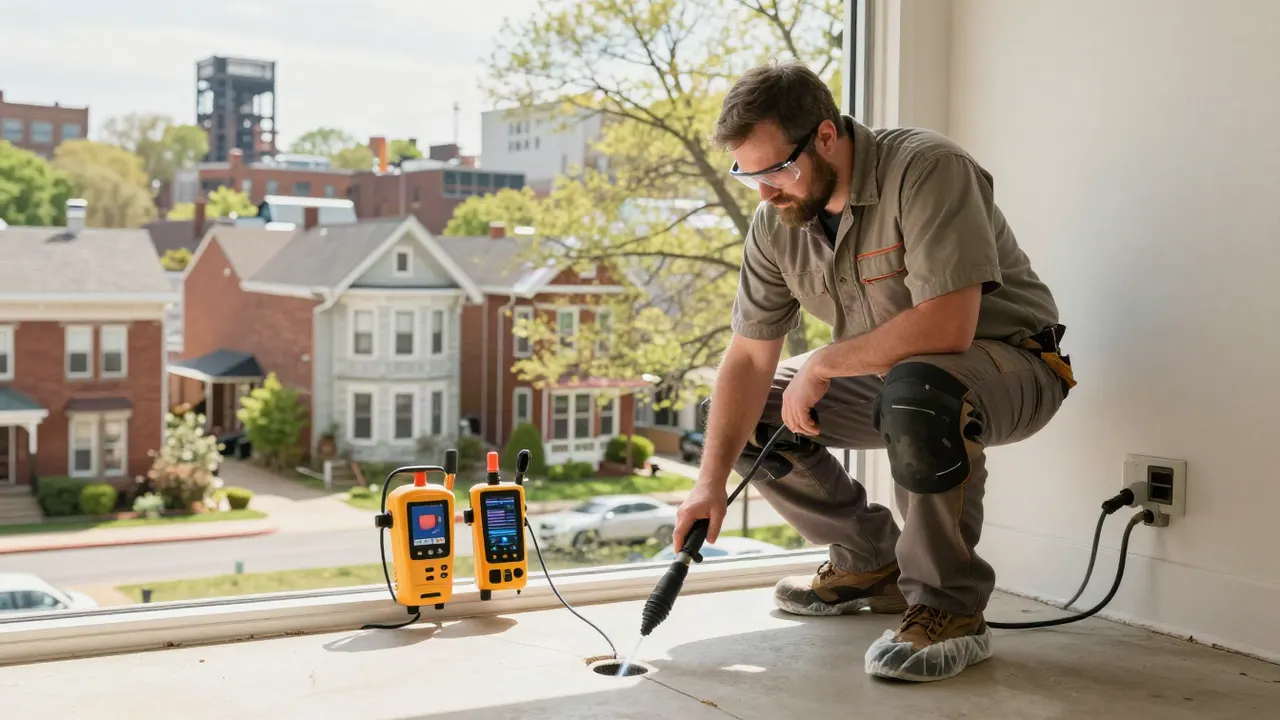
Slab Leak Detection targets lines running under concrete floors. It pairs with Underground Plumbing Leak Detection in Pittsburgh because both rely on thermal imaging cameras and acoustic listening devices to find the break before we cut the slab.
View serviceAcoustic Leak Detection is the listening step that makes buried-line work possible. We use ultrasonic leak detectors and Sewerin acoustic devices to hear water escaping through soil, then confirm the spot with a pipe locator.
View serviceReach us any hour at (412) 939-1638. We answer live, ask a few questions about what you are seeing, and book a window that works. Most Pittsburgh addresses get a same-day slot, and active leaks get priority dispatch.